
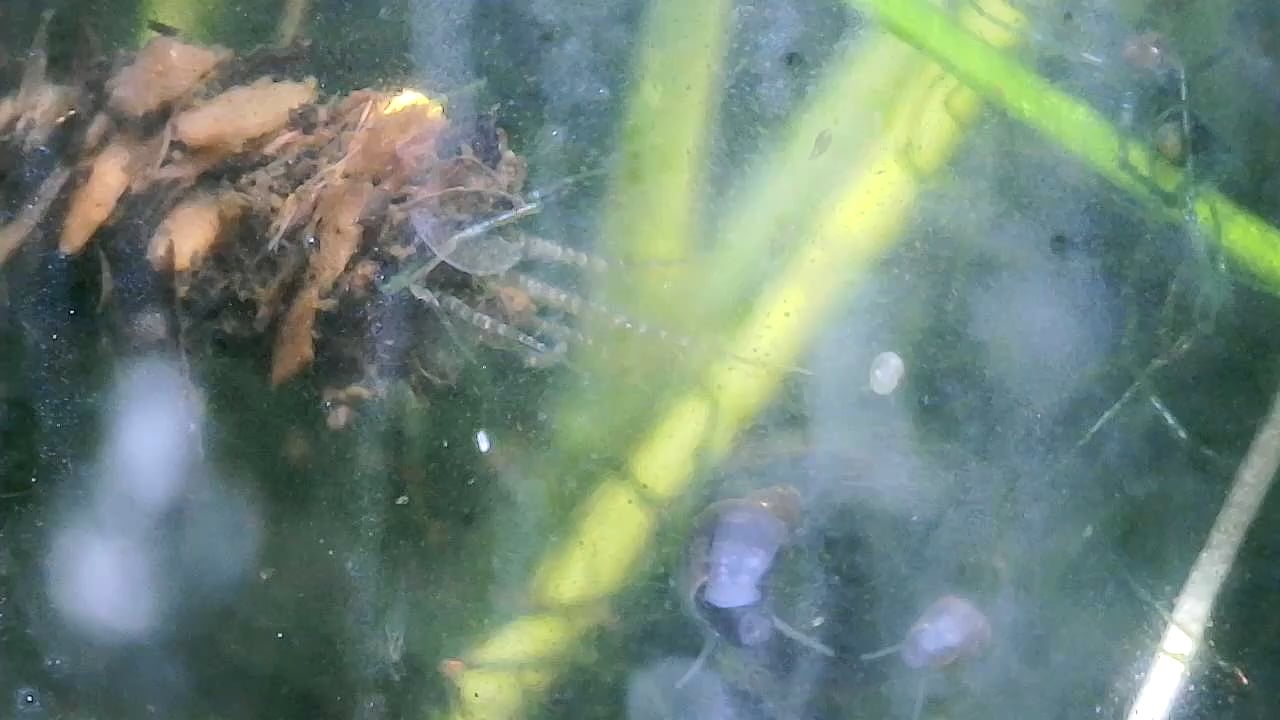
This jar is eight months old. Eight months! And I am just now noticing this creature which I can't identify. It has created a long tube out of detritus, maybe 3 inches long, and stretches out its tentacles to almost six inches to search for food in the sediment. What is it?
Also seen: copepods, snails, ostracods, baby snails, and other friends.
by CorrectsApostrophes_
23 Comments
That’s so cool holy cow I wonder what that is???
Caddisfly larvae
It looks like something like a sand mason worm, but I think those are saltwater.
This is crazy. I have no clue what this could be. Definitely not a caddisfly larvae. Really curious for the answer.
I wonder if each tentacle is a single animal?
Update: possibly some kind of polychaete worm?

That life form is quite amazing….creepy but amazing.
I could watch that thing all day long.
Oh, that’s just a larval shagoth.
Fascinating 😯
Almost looks like some kind of freshwater bobbit worm
Is this freshwater?! It reminded me of a tube anemone at first, but then it started using its arms prehensily, like a spaghetti worm(both marine organisms)…
I’m usually pretty hard to impress, but that’s easily one of the coolest thing I’ve ever seen!
I was almost expecting a voice over to tell me what it was and what it was doing. Nice video! This thing is National Geographic Wild!
Oh I love it… I want one. Will it eat fish food? Algae powder?
Possibly Manayunkia speciosa. Incredible find!
RemindMe! Tomorrow “what the hell is this thing”
OP, if you’re the type to write stories or worldbuild, now’s about the time you start taking down notes.
Also is your ecosphere saltwater, brackish, or freshwater? That could narrow down the choices for what this animal may be.
Location, water type, water source?
Agreed it’s in Polychaeta most likely
What do you mean by “jar” ?
I’m sorry, I haven’t got a clue what it could be either, but it’s very interesting! Hope to come back and see if anyone has found an answer
Looks like there’s two distinct types of “tentacles”, shorter wider pointier ones with white stripes and then the longer thinner food gathering ones.
Color bands on tentacles and clear division of function (some sensory or defensive, others for feeding) is classic polychaete behavior.
Ph’nglui mglw’nafh Cthulhu R’lyeh wgah’nagl fhtagn, little guy!
Wow just wow. I want to know what it is so I can keep one. This thing is amazing